
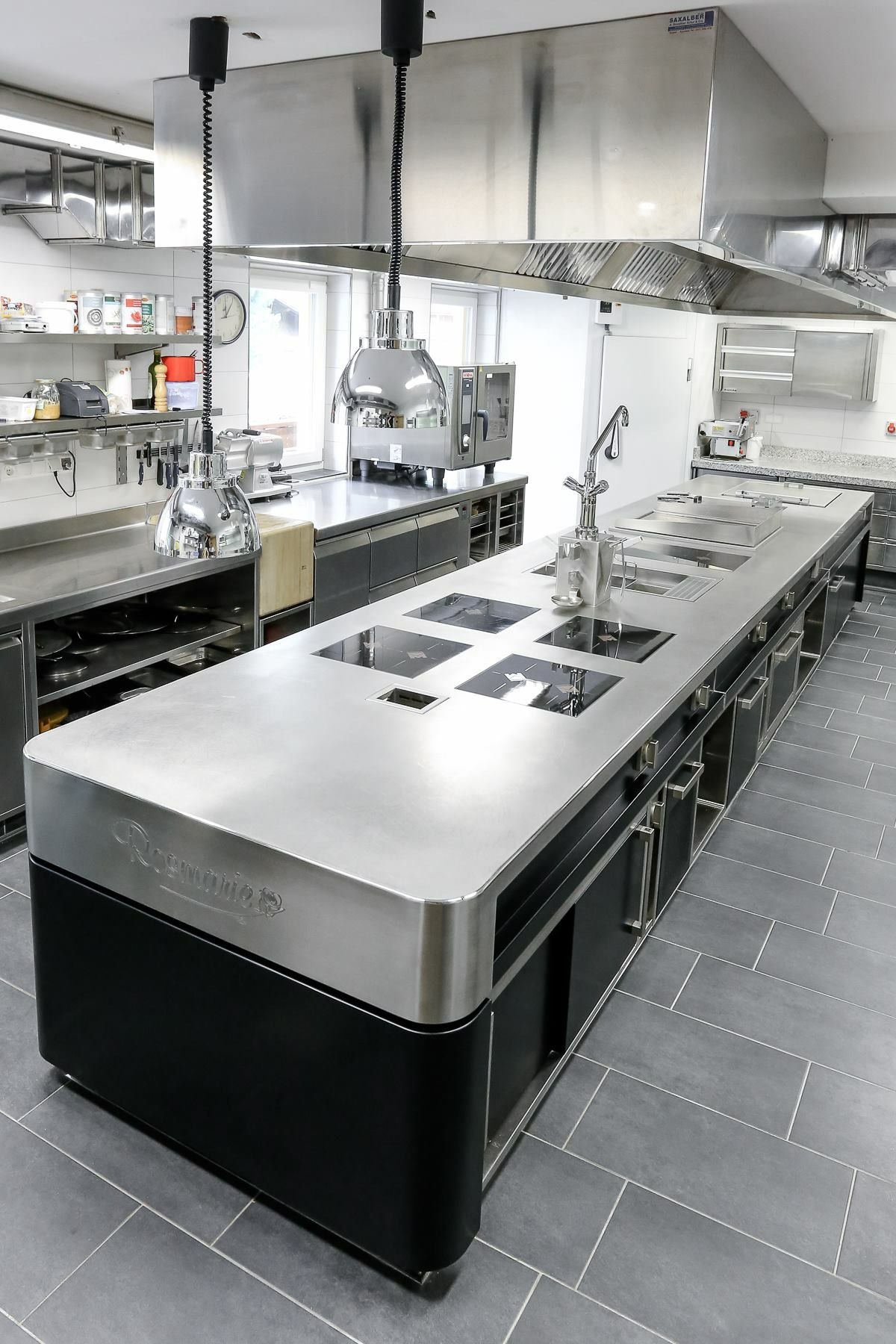
Top Commercial Kitchen Interior Design in 2023
Commercial Kitchen Interior Design
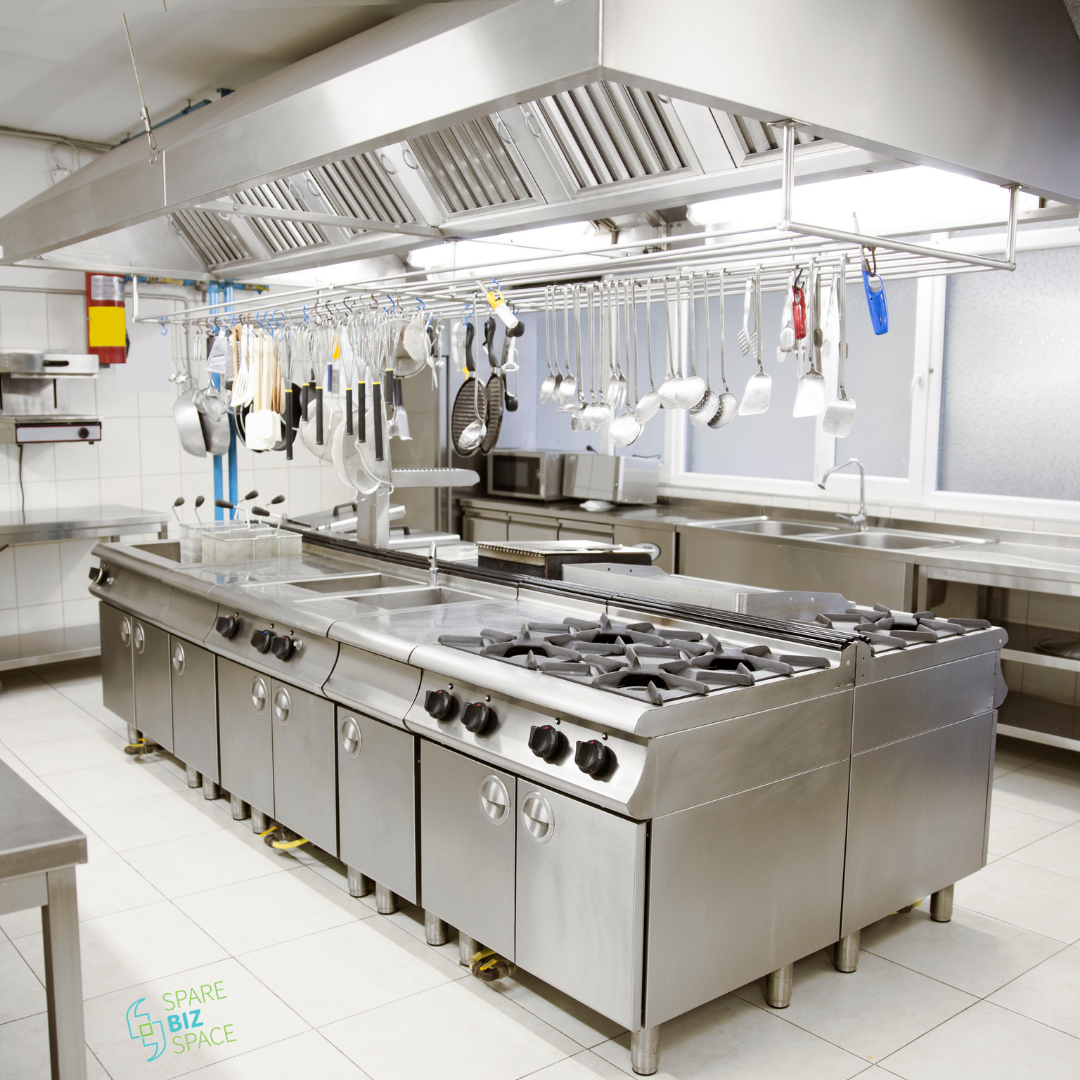
Running a successful restaurant or food business requires careful consideration of commercial kitchen interior design. It’s not just about making the space look good; it’s about creating a functional and inviting workspace that enhances productivity and customer satisfaction.
Factors to Consider in Commercial Kitchen Interior Design
When it comes to designing your commercial kitchen, factors such as layout, flow, equipment selection, safety, and sanitation are crucial. The right design ensures efficient workflow, optimizes space utilization, and meets health code requirements.
- Layout: The layout of your commercial kitchen is crucial for efficient workflow and functionality. It should be designed to facilitate smooth movement of staff, minimizing congestion and bottlenecks. Consider the placement of workstations, cooking equipment, storage areas, and the flow of food preparation from one station to another.
- Flow: The flow of your kitchen should be optimized to ensure a seamless and logical progression of tasks. This includes the arrangement of equipment and workstations in a way that minimizes the need for unnecessary movement and promotes efficiency. An organized flow allows your staff to work cohesively, saving time and reducing errors.
- Equipment Selection: Choosing the right equipment is essential for a well-designed commercial kitchen. Consider the type of cuisine you offer and the specific needs of your operations. Select equipment that is durable, energy-efficient, and capable of handling the volume and variety of your food production. Proper placement and ventilation of equipment should also be taken into account.
- Safety: Safety should be a top priority in commercial kitchen design. Ensure that your kitchen meets all safety regulations and codes. This includes proper ventilation systems to remove heat, smoke, and odors, as well as fire suppression systems and adequate space for emergency exits. Implementing safety protocols and providing training for your staff is equally important.
- Sanitation: Maintaining high levels of cleanliness and sanitation is crucial in a commercial kitchen. Design your space to facilitate easy cleaning and proper waste management. Consider the use of materials that are resistant to stains, easy to clean, and meet hygiene standards. Adequate space for handwashing stations, dishwashing areas, and storage of cleaning supplies should also be incorporated.
By carefully considering these factors in your commercial kitchen interior design, you can create a space that promotes efficiency, safety, and cleanliness, ultimately enhancing the overall operations of your food business.
Aesthetics and Design Elements
The aesthetics of your commercial kitchen play a significant role in creating a pleasant ambiance. From color schemes to lighting choices, materials, and finishes, every element should be carefully selected to enhance the overall look and feel of the space.
- Color Schemes: Choose a color scheme that aligns with your brand identity and creates a desired atmosphere. Bright and vibrant colors can stimulate creativity and energy, while neutral tones can create a sense of calmness and professionalism. Use colors strategically to define different areas and highlight key features.
- Lighting Choices: Lighting is essential for both functionality and aesthetics. Incorporate a mix of natural and artificial lighting to create a well-lit workspace. Utilize task lighting above workstations to ensure proper visibility, ambient lighting for general illumination, and accent lighting to highlight specific areas or decorative elements.
- Materials and Finishes: Select materials and finishes that are durable, easy to clean, and appropriate for a commercial kitchen environment. Stainless steel is a popular choice for countertops and appliances due to its durability and hygienic properties. Consider other materials such as tile, stone, or resilient flooring that can withstand heavy foot traffic and frequent cleaning.
- Layout and Space Planning: Design your kitchen layout in a way that optimizes space utilization and promotes efficiency. Consider the arrangement of equipment, storage areas, and workstations to create a seamless workflow. Incorporate ergonomic design principles to ensure comfort and safety for your staff during their daily operations.
- Decorative Features: Enhance the visual appeal of your commercial kitchen by incorporating decorative features that align with your brand identity. This can include custom signage, artwork, or branding elements. Use these elements strategically to create a cohesive and memorable experience for your staff and customers.
By carefully selecting and integrating these design elements, you can create a commercial kitchen that not only looks visually appealing but also enhances functionality and creates a positive environment for your staff and customers.
Customization and Branding
Infusing your brand identity into your commercial kitchen design is essential for creating a cohesive and memorable experience. Customization options include incorporating branding elements, unique decorative features, and creating a space that reflects your brand’s personality.
Technology and Innovation
Embracing technology and innovation in your commercial kitchen can improve efficiency and streamline operations. Smart appliances, energy-efficient equipment, and automated systems are just a few examples of how technology can enhance your kitchen design.
Hiring a Professional Commercial Kitchen Designer
Designing a commercial kitchen is a complex task that requires expertise and experience. Consider hiring a professional commercial kitchen designer who understands the unique requirements of your business. Their knowledge and guidance can help you create a functional and visually appealing kitchen.
Conclusion
Commercial kitchen interior design plays a crucial role in the success of your food business. By considering factors such as layout, flow, aesthetics, customization, and technology, you can create a kitchen that not only looks impressive but also enhances productivity and customer satisfaction.
Connect with us on social media to stay updated with the latest trends, design inspiration, and exciting projects. Follow us on:
- Facebook: Speed Interior Solution
- Instagram: Speed Interior Solution
- LinkedIn: Speed Interior Solution
- YouTube: Speed Interior Solution
- Pinterest: Speed Interior Solution
- Behance: Speed Interior Solution
- Dribbble: Speed Interior Solution
- Twitter: Speed Interior Solution
Join our vibrant community and get inspired. We share design tips, project updates, and showcase our portfolio, so you can see firsthand the quality of our work. Don’t miss out on the chance to connect with us and be a part of the Speed Interior Solution experience.
Take the first step towards your dream kitchen by visiting our website at http://speedinteriorsolution.com. Explore our services, browse through our portfolio, and discover how we can turn your kitchen into a stunning masterpiece. Contact Speed Interior Solution today and let us make your dream kitchen a reality.
Author: Abu Sayed from Speed Interior Solution
Published: 2023-06-10 | Last Updated: 2023-06-10