
The Ultimate Guide to Interior Design: Transforming Spaces with Style and Functionality
Importance of Interior Design in Creating Functional and Visually Appealing Spaces:
Interior design plays a crucial role in creating spaces that are not only visually appealing but also functional and conducive to the well-being of those who inhabit them. Whether it’s a home, office, or any other built environment, the impact of thoughtful interior design cannot be overstated. Let’s explore the importance of interior design in more detail.
- Enhancing Functionality: One of the primary objectives of interior design is to optimize the functionality of a space. Designers carefully analyze the needs and requirements of the occupants and create layouts that maximize the use of available space. They consider factors such as traffic flow, furniture arrangement, storage solutions, and accessibility to ensure that the space is efficient and serves its intended purpose effectively. A well-designed interior ensures smooth movement and efficient use of resources, contributing to a comfortable and productive environment.
- Creating Visual Harmony: Interior design is an art form that combines aesthetics, colors, textures, and patterns to create visually appealing spaces. By harmonizing various design elements, such as furniture, lighting, wall treatments, and accessories, designers create a cohesive and balanced atmosphere. The careful selection of colors and materials can evoke specific moods and emotions, enhancing the overall ambiance of the space. A visually pleasing environment has a positive psychological impact, promoting relaxation, creativity, and overall well-being.
- Reflecting Personal Style and Identity: Interior design provides a platform for self-expression and reflects the personality and style of the occupants. Through the use of furniture, decor, artwork, and personal touches, individuals can create spaces that align with their preferences, tastes, and values. A well-designed interior is a reflection of the people who inhabit it, making them feel connected and comfortable in their surroundings. Whether it’s a minimalist, contemporary, or eclectic style, interior design allows individuals to create spaces that resonate with their identity.
- Optimizing Spatial Layout and Flow: A well-designed interior takes into account the spatial layout and flow of a space. Designers consider factors such as room proportions, natural light sources, and architectural features to optimize the arrangement of furniture and other elements. The placement of furniture, partitions, and circulation paths is carefully planned to ensure that the space is functional and visually appealing. A thoughtful layout contributes to a sense of harmony and ease of movement, making the space more inviting and efficient.
Key Principles and Elements of Interior Design:
- Balance: Balance refers to the visual equilibrium in a space. It can be achieved through symmetrical (formal) or asymmetrical (informal) arrangements. Balancing the visual weight of furniture, colors, and textures creates a sense of stability and harmony in the design.
- Proportion and Scale: Proportion and scale relate to the size and relationship of objects within a space. Maintaining appropriate proportions and scales ensures that elements are visually pleasing and balanced in relation to each other and the space as a whole.
- Harmony and Unity: Harmony and unity create a sense of cohesion and consistency in the design. By using complementary colors, repeating patterns, and consistent styles, designers establish a harmonious and unified look throughout the space.
- Contrast: Contrast adds visual interest and impact to a design. It involves juxtaposing elements with different characteristics such as light and dark colors, smooth and textured surfaces, or large and small objects. Contrast creates focal points and enhances the overall visual appeal.
- Lighting: Lighting is a crucial element in interior design as it affects the ambiance and functionality of a space. Both natural and artificial lighting should be carefully considered to create the desired mood, highlight architectural features, and provide adequate illumination for different activities.
Exploring different interior design styles and their characteristics.


When it comes to interior design, there is a vast array of styles to choose from, each with its own unique characteristics and charm. Understanding the distinguishing features of different interior design styles can help you create a space that reflects your personal taste and aligns with your desired ambiance. In this article, we will explore a selection of popular interior design styles, highlighting their key elements and providing insights into how you can incorporate them into your own home.
Modern/Contemporary Style:

Characterized by clean lines, simplicity, and a focus on functionality, the modern/contemporary style is perfect for those seeking a sleek and uncluttered look. Neutral color palettes, open floor plans, and minimalistic furniture are common features of this style. Incorporating materials like glass, metal, and concrete can enhance the modern aesthetic, while strategic lighting plays a significant role in creating a bright and airy atmosphere.
Scandinavian Style:
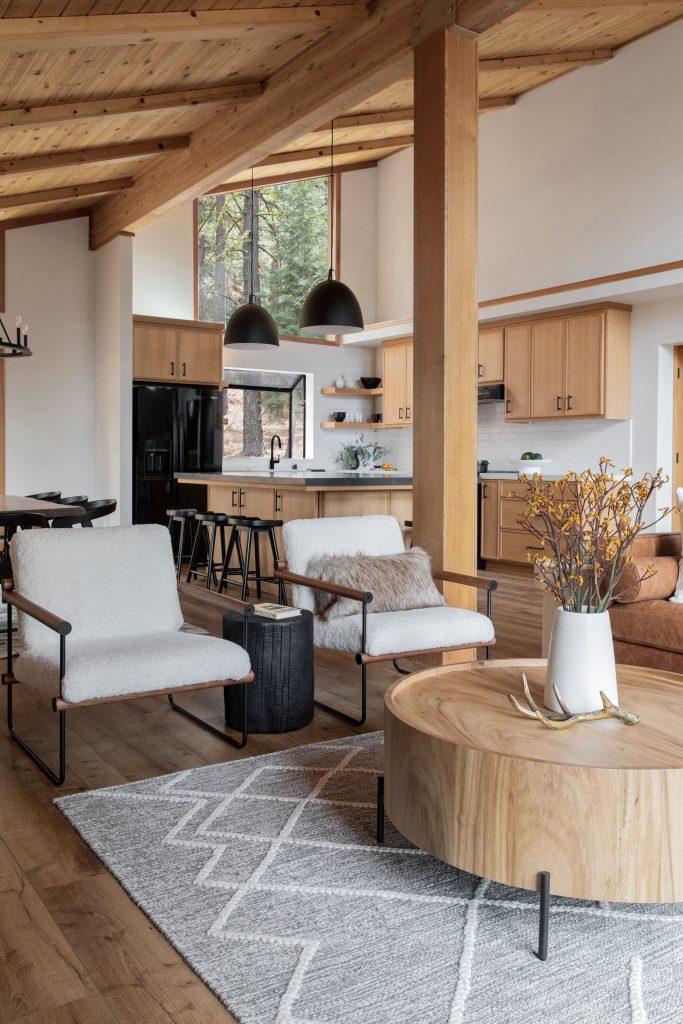
Hailing from the Nordic region, Scandinavian design emphasizes simplicity, minimalism, and natural elements. This style embraces light and neutral color schemes, often paired with pops of pastel hues. Wood is a key material in Scandinavian interiors, adding warmth and texture. Functionality takes precedence, with furniture that is both practical and visually appealing. Accessorizing with cozy textiles, such as faux fur and knitted blankets, adds a touch of comfort to the space.
Industrial Style:
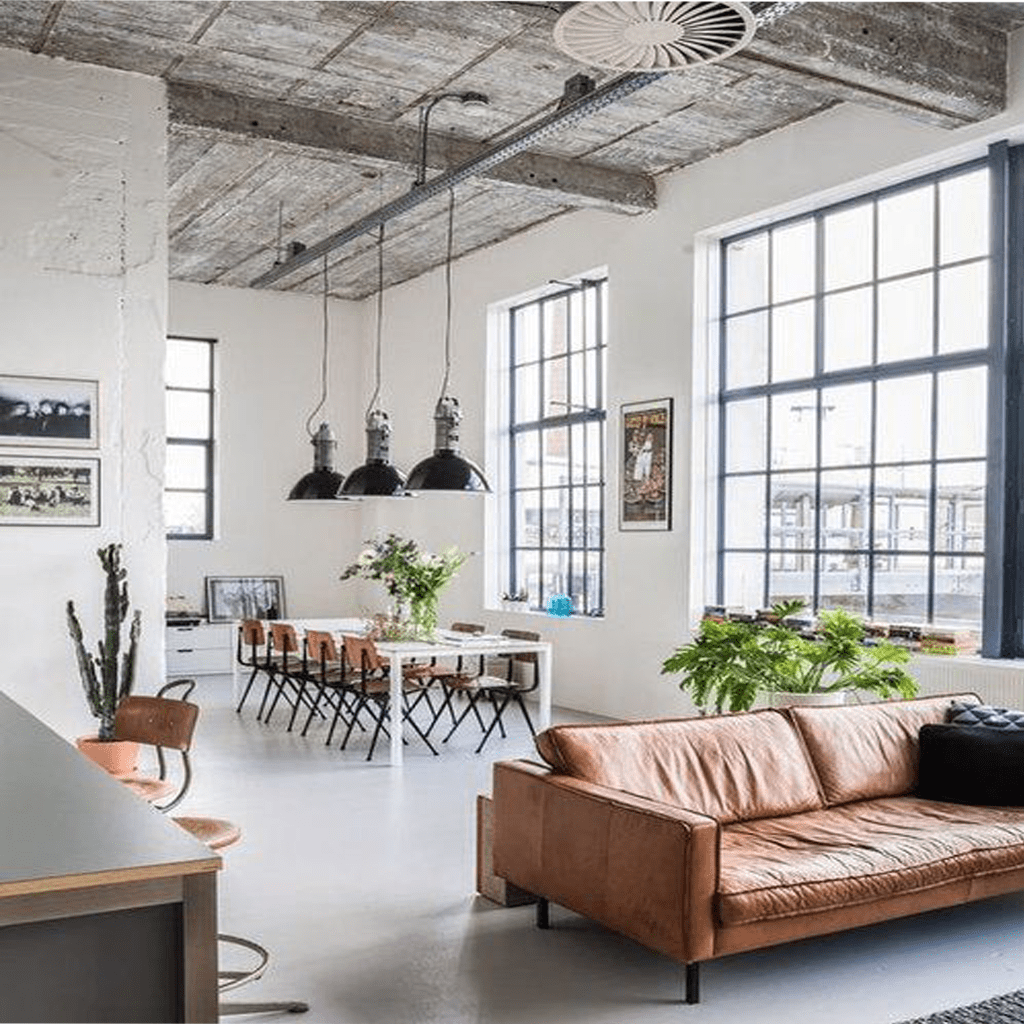
Inspired by converted warehouses and lofts, industrial design showcases raw and unfinished elements. Exposed brick walls, exposed pipes, and high ceilings are characteristic of this style. The color palette often includes shades of gray, black, and metallic accents. Utilitarian furniture, such as metal chairs and distressed wooden tables, complements the industrial vibe. Incorporating salvaged or repurposed materials, such as reclaimed wood or vintage light fixtures, adds authenticity to the design.
Traditional Style:

For those who appreciate elegance and timeless beauty, the traditional style offers a refined and sophisticated approach. Rich colors, ornate details, and classic patterns define this style. Furniture features curved lines and intricate carvings, often upholstered in luxurious fabrics. Traditional spaces often incorporate formal dining areas, grand chandeliers, and decorative moldings. Rugs and draperies contribute to a sense of opulence and create a cozy atmosphere.
Bohemian Style:

The bohemian style is eclectic, free-spirited, and embraces a mix of colors, patterns, and textures. This style encourages self-expression and creativity. Layers of textiles, such as vibrant rugs, embroidered cushions, and macramé wall hangings, create a cozy and inviting atmosphere. Natural materials like rattan and wicker, along with plenty of indoor plants, add a touch of nature. The bohemian style encourages a relaxed and carefree ambiance.
Step-by-step guide to planning an interior design project:
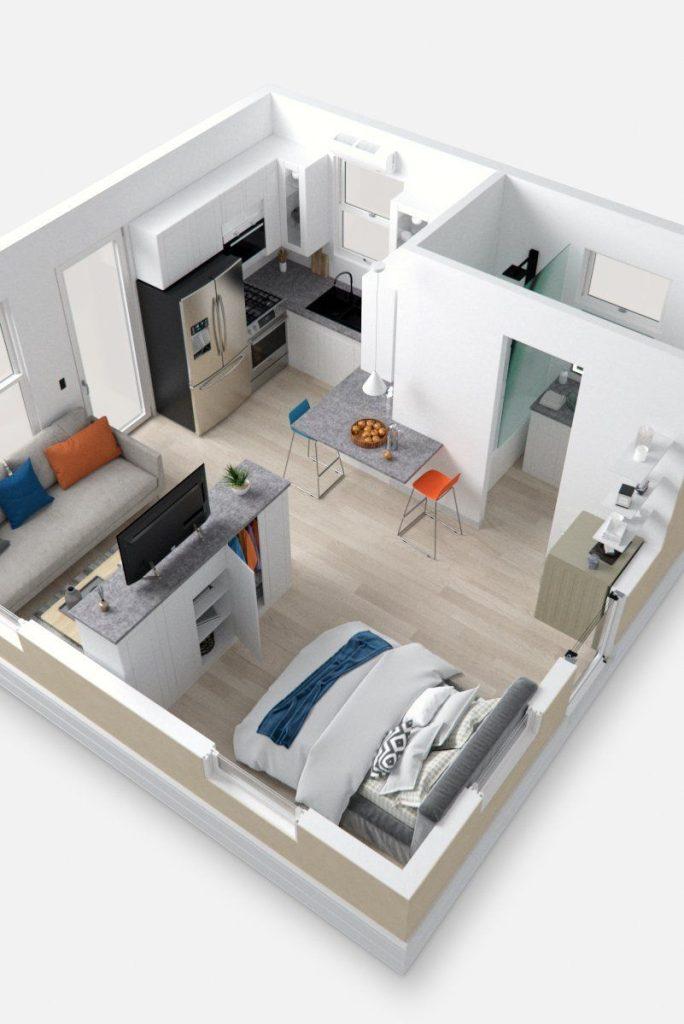
Embarking on an interior design project can be an exciting endeavor, but it requires careful planning and organization to ensure successful results. Whether you’re redesigning a single room or tackling a whole-house renovation, having a step-by-step plan in place can streamline the process and help you achieve your design goals. In this comprehensive guide, we will walk you through the essential steps to plan an interior design project effectively.
Step 1: Define Your Project Goals and Budget
- Determine the purpose of the project and establish clear goals and objectives.
- Identify your budget and allocate funds for various aspects, including materials, furnishings, and professional services.
Step 2: Conduct Research and Gather Inspiration
- Explore different interior design styles and gather inspiration from various sources such as magazines, websites, and social media platforms.
- Create mood boards or visual collages to refine your design vision and capture desired aesthetics.
Step 3: Assess the Space and Take Measurements
- Measure the dimensions of the space and create a floor plan to accurately represent the layout.
- Consider architectural features, existing furniture, and structural limitations that may impact the design.
Step 4: Develop a Design Concept
- Based on your research and space assessment, develop a design concept that aligns with your goals and desired aesthetics.
- Consider factors such as color schemes, furniture styles, lighting, and material choices.
Step 5: Create a Project Timeline
- Establish a realistic timeline that outlines key milestones and deadlines for each phase of the project.
- Consider factors such as procurement of materials, furniture delivery, and the availability of contractors or professionals.
Step 6: Determine the Scope of Work
- Identify the specific tasks and responsibilities involved in the project, including any necessary construction, electrical work, or plumbing.
- Decide whether you will manage the project yourself or hire professionals such as interior designers, contractors, or architects.
Step 7: Set Priorities and Create a Budget Breakdown
- Prioritize your design elements and allocate the budget accordingly.
- Break down the budget into categories such as furniture, lighting, flooring, paint, accessories, and professional fees.
Step 8: Source Materials, Furniture, and Accessories
- Research suppliers, showrooms, and online stores to find the materials, furniture, and accessories that align with your design concept and budget.
- Obtain quotes, compare prices, and consider factors such as quality, durability, and sustainability.
Step 9: Hire Professionals and Contractors
- If necessary, hire professionals such as interior designers, contractors, electricians, or plumbers.
- Ensure they have the necessary qualifications, experience, and references.
- You can contact us too make it happened and get professional hands work
Step 10: Create a Project Schedule and Track Progress
- Develop a detailed project schedule that outlines tasks, deadlines, and responsible parties.
- Regularly track the progress of the project and make necessary adjustments to the timeline or scope if needed.
Step 11: Manage the Execution Phase
- Oversee the implementation of the design plan, including coordination with contractors, purchasing and delivery of materials, and installation of furniture and fixtures.
- Maintain clear communication with all parties involved to ensure smooth execution.
Step 12: Review and Evaluate
- Once the project is complete, review the final result and assess if it aligns with your initial goals and design concept.
- Evaluate the process and identify areas for improvement in future projects.
Tips for selecting color schemes, furniture, and decor elements.
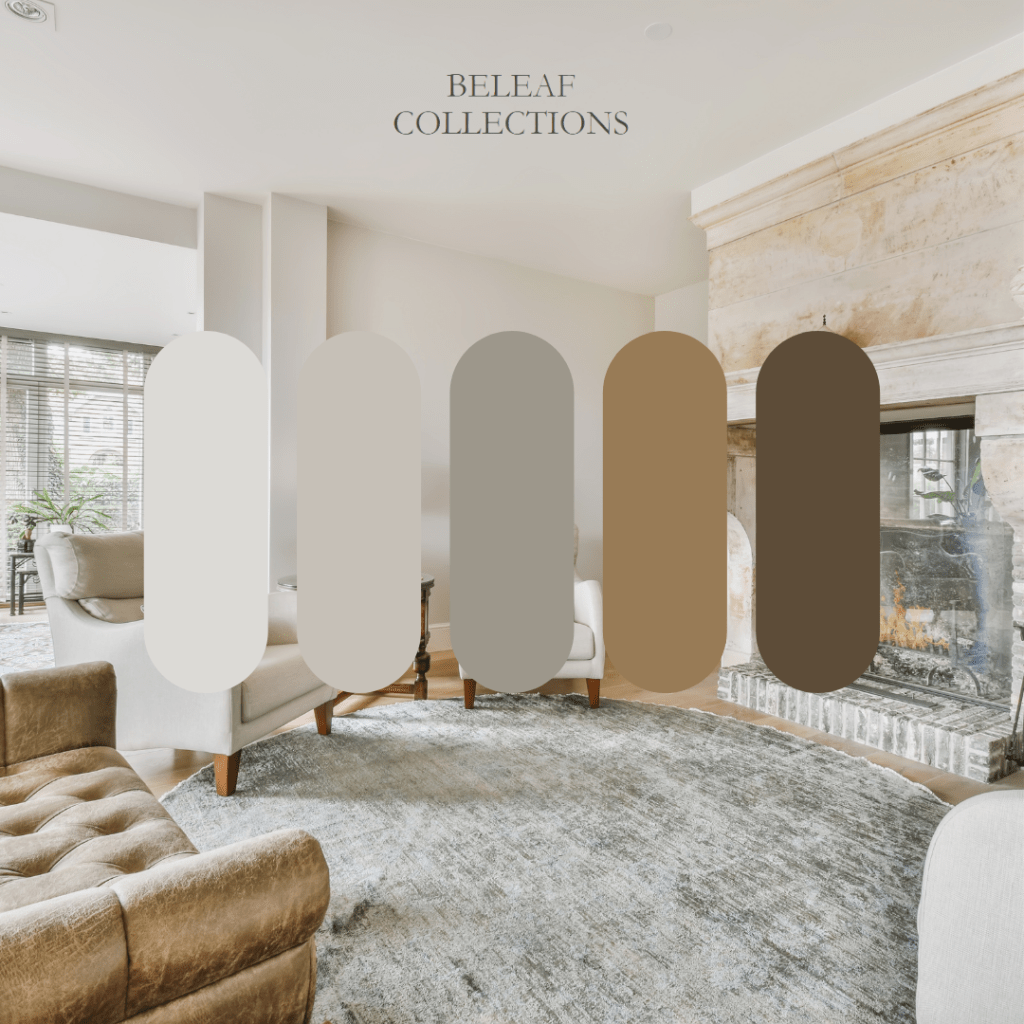
When it comes to designing the interior of your home, choosing the right color schemes, furniture pieces, and decor elements is key to creating a harmonious and visually appealing space. The combination of colors, textures, and styles can significantly impact the overall ambiance and aesthetics of a room. In this comprehensive guide, we will provide you with practical tips and insights to help you make informed decisions when selecting color schemes, furniture, and decor elements for your interior design projects.
Part 1: Selecting Color Schemes
- Understand the Psychological Impact of Colors:
- Explore the emotions and moods associated with different colors to determine the desired ambiance for each room.
- Consider factors such as natural lighting, room size, and functionality when choosing color schemes.
- Create a Color Palette:
- Start with a dominant color that sets the tone for the room, then choose complementary or contrasting colors for accents and highlights.
- Use color theory principles such as the 60-30-10 rule to balance the distribution of colors throughout the space.
- Consider the Room’s Purpose:
- Different rooms serve different functions, so select color schemes that align with the intended purpose.
- Opt for soothing and calming colors in bedrooms, vibrant and energizing colors in living areas, and focused and productive colors in home offices.
- Test Colors in Different Lighting Conditions:
- Take into account how natural and artificial lighting can affect the appearance of colors in a room.
- Paint small test patches on the walls and observe how the colors change throughout the day before making a final decision.
Part 2: Choosing Furniture Pieces
- Determine Your Style and Needs:
- Define your preferred interior design style, whether it’s modern, contemporary, traditional, or eclectic.
- Consider the functionality and practicality of furniture based on your lifestyle and the intended use of the space.
- Measure the Space:
- Take accurate measurements of the room to ensure that furniture pieces fit properly and allow for comfortable movement.
- Consider doorways, windows, and other architectural elements that may affect furniture placement.
- Focus on Quality and Comfort:
- Invest in well-made furniture that is built to last, considering factors such as material quality, construction, and durability.
- Test the comfort of seating options by sitting on them and considering factors such as cushion support and ergonomics.
- Mix and Match:
- Create visual interest and depth by combining different furniture styles and materials.
- Strike a balance between cohesive design elements and unique statement pieces.
Part 3: Incorporating Decor Elements
- Find a Unifying Theme or Concept:
- Establish a central theme or concept that ties the decor elements together.
- This can be based on a specific color palette, a particular style, or a shared motif.
- Layer Textures and Patterns:
- Introduce a variety of textures and patterns to add visual interest and depth to the space.
- Experiment with different materials such as wood, metal, fabric, and glass to create a tactile experience.
- Display Personal Items and Artwork:
- Incorporate personal items, such as photographs or heirlooms, to add a sense of identity and sentimentality.
- Use artwork and wall decor to enhance the visual appeal and create a focal point in the room.
- Pay Attention to Scale and Proportions:
- Ensure that decor elements are proportionate to the size of the room and the furniture pieces.
- Avoid overcrowding by selecting a few statement pieces rather than cluttering the space with too many accessories.
Incorporating lighting, textiles, and accessories for enhancing ambiance.
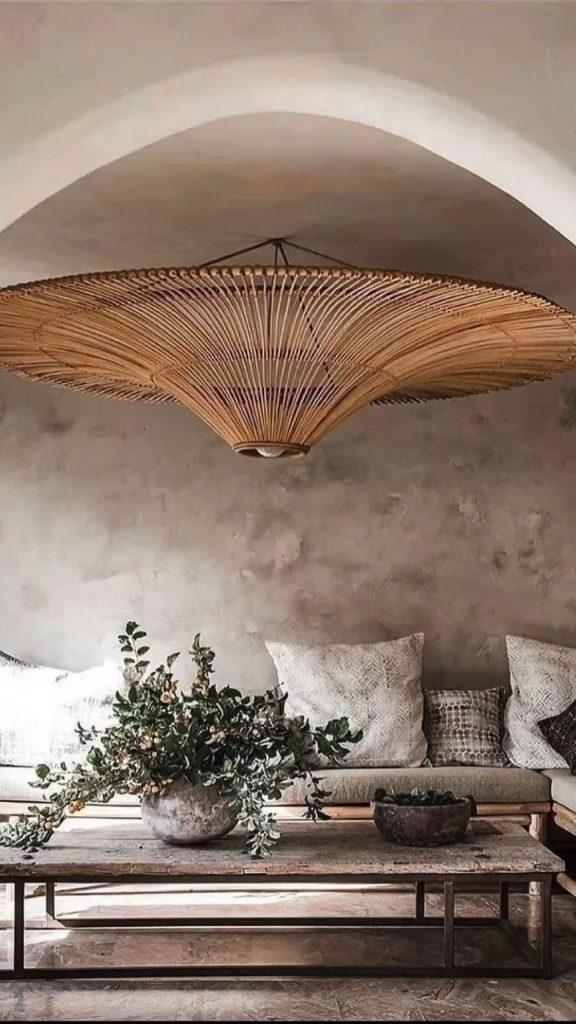
Creating the perfect ambiance in your living space goes beyond selecting colors and furniture. Lighting, textiles, and accessories play a crucial role in enhancing the overall atmosphere, adding warmth, character, and style to any room. In this comprehensive guide, we will explore the various ways you can incorporate lighting, textiles, and accessories to elevate the ambiance of your interior design projects.
Part 1: Lighting
Natural Lighting:
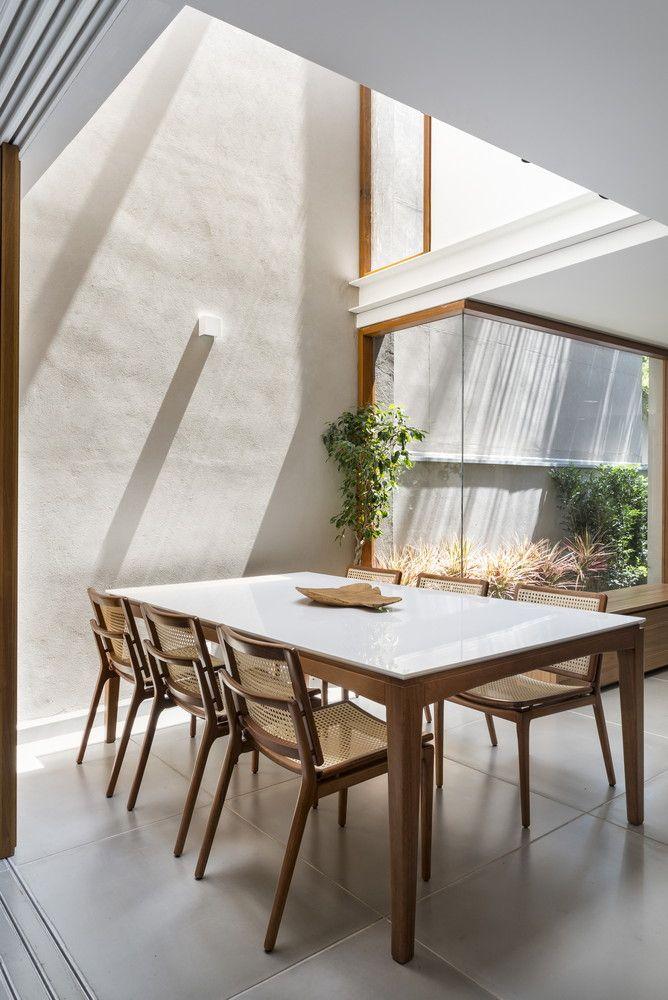
- Maximize natural light by strategically placing mirrors and reflective surfaces to bounce light around the room.
- Consider window treatments that allow for light control while maintaining privacy.
General Lighting:
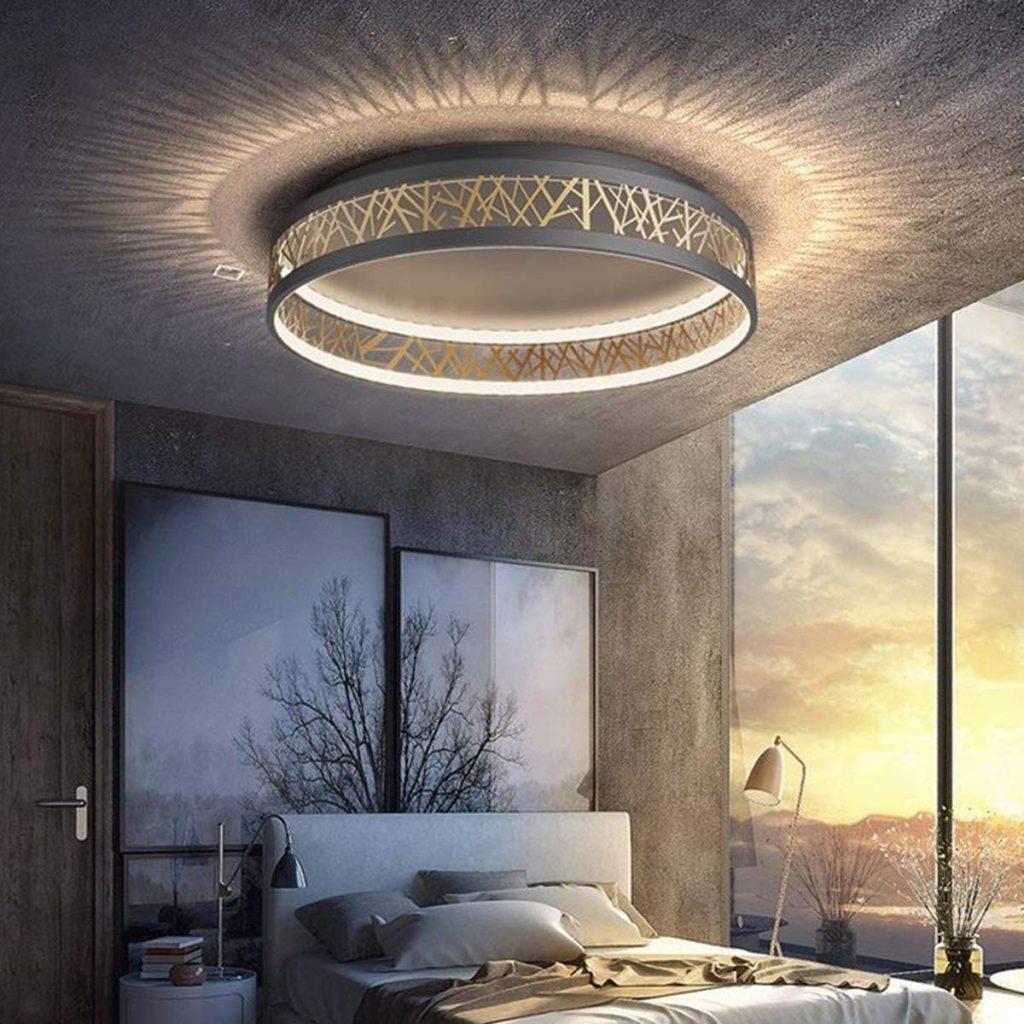
- Install overhead fixtures such as chandeliers, pendant lights, or recessed lighting to provide overall illumination.
- Opt for fixtures that complement the style and scale of the room.
Task Lighting:
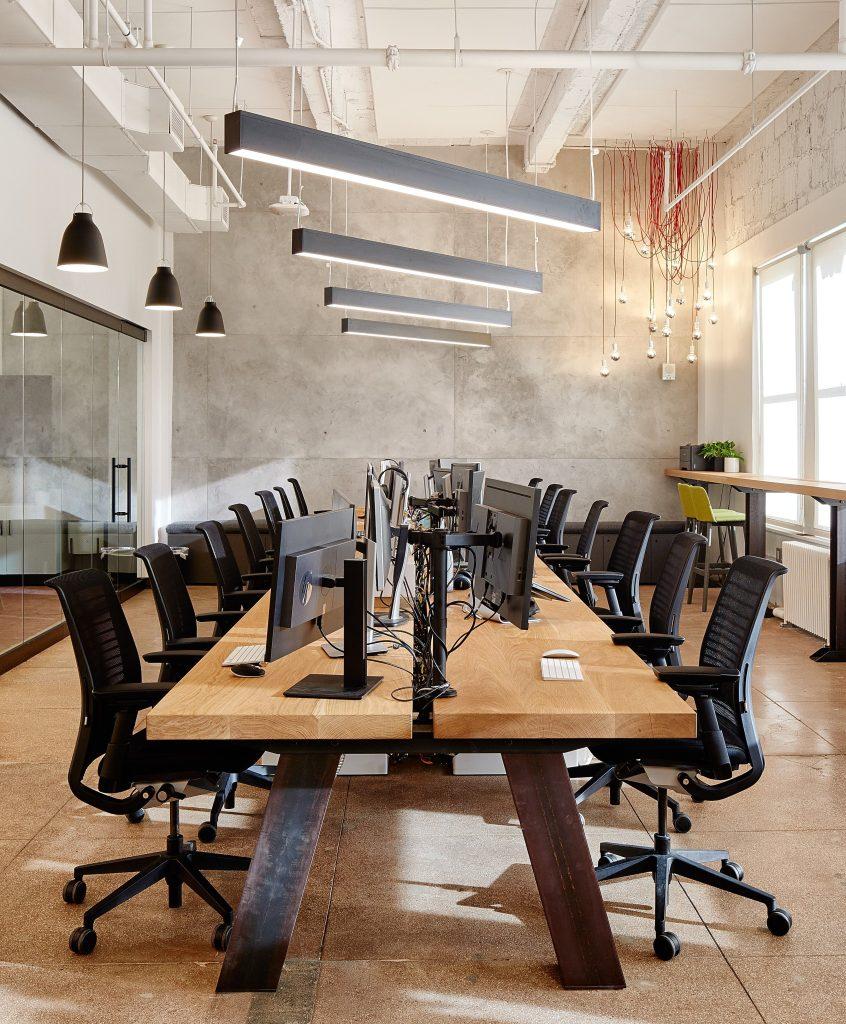
- Add task lighting in areas where specific activities take place, such as reading nooks, workstations, or kitchen counters.
- Use adjustable desk lamps, sconces, or under-cabinet lighting to provide focused illumination.
Accent Lighting:

- Highlight architectural features, artwork, or decorative elements using accent lighting techniques like track lighting, picture lights, or wall-mounted fixtures.
- Create a focal point and add depth to the room by emphasizing specific areas or objects.
Mood Lighting:
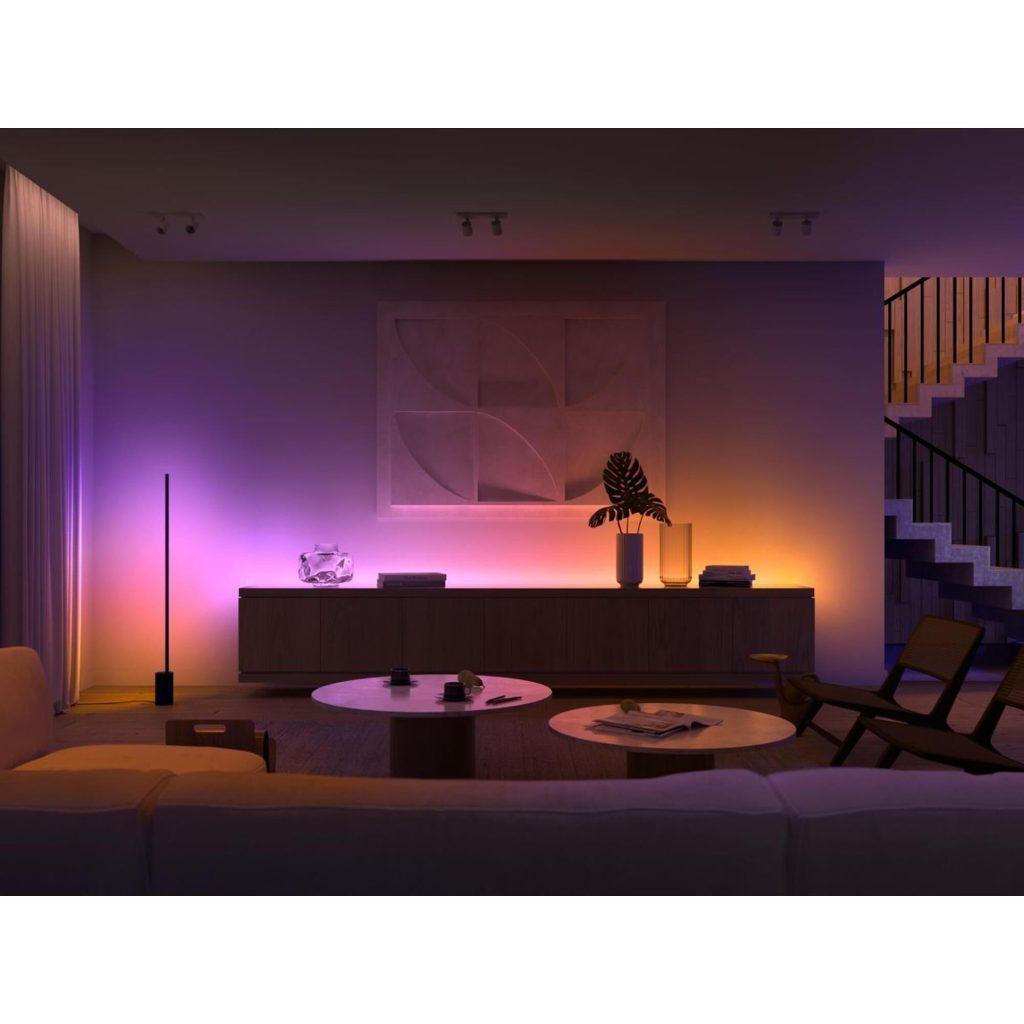
- Use dimmers and lighting controls to adjust the intensity and create different moods for various occasions.
- Experiment with different lighting temperatures, such as warm or cool hues, to set the desired ambiance.
Part 2: Textiles
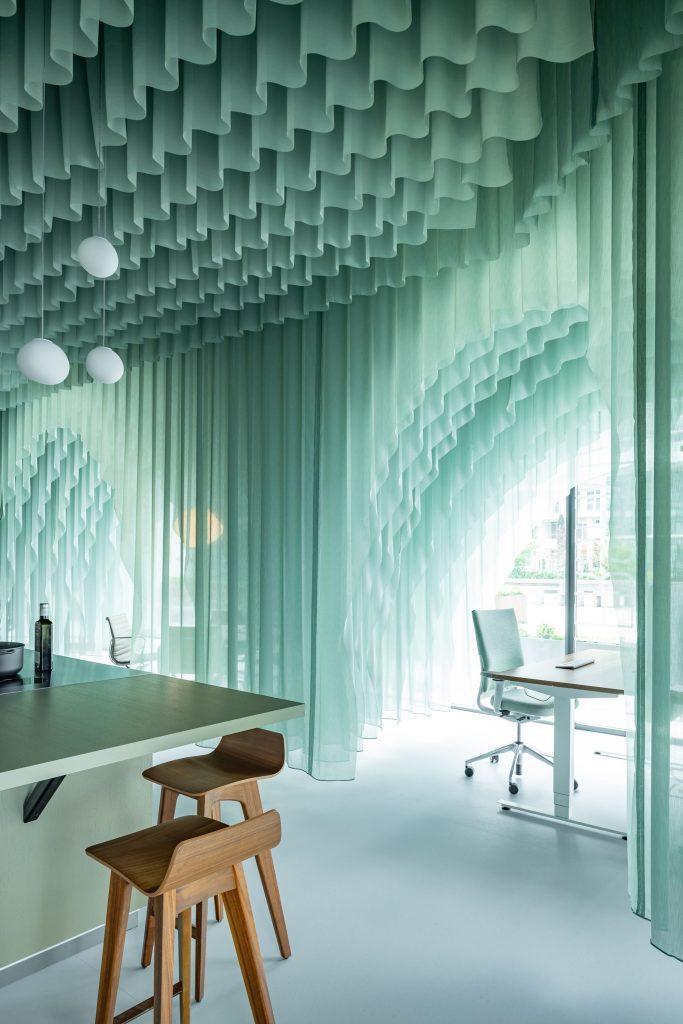
- Window Treatments:
- Choose curtains, drapes, or blinds that complement the room’s style while providing privacy and light control.
- Consider fabrics with varying levels of opacity to allow for different lighting effects.
- Upholstery and Soft Furnishings:
- Select fabrics that add texture, color, and pattern to the space.
- Incorporate plush cushions, throws, and rugs to create a cozy and inviting atmosphere.
- Wall Coverings:
- Use wallpaper, fabric panels, or textured paint to add depth and visual interest to walls.
- Consider patterns, textures, and colors that harmonize with the overall design concept.
- Bedding and Linens:
- Choose bedding and linens that evoke a sense of comfort and luxury.
- Layer different textures and colors to create a visually appealing and inviting bed.
- Floor Coverings:
- Incorporate area rugs or carpets to define spaces and add warmth underfoot.
- Select rugs that complement the room’s color scheme and provide a visual anchor.
Part 3: Accessories
- Artwork and Mirrors:
- Hang artwork or mirrors to create focal points and reflect light, making the space appear larger.
- Choose pieces that resonate with your personal style and enhance the overall aesthetic.
- Plants and Greenery:
- Introduce indoor plants and greenery to bring life and freshness to the room.
- Select plants that thrive in the available lighting conditions and suit the room’s atmosphere.
- Decorative Objects:
- Display carefully curated decorative objects such as sculptures, vases, or figurines to add personality and interest.
- Arrange them in groupings or vignettes to create visual impact.
- Candles and Lighting Accessories:
- Incorporate candles, lanterns, or string lights to add a warm and intimate ambiance.
- Use candle holders and lighting accessories that complement the overall decor style.
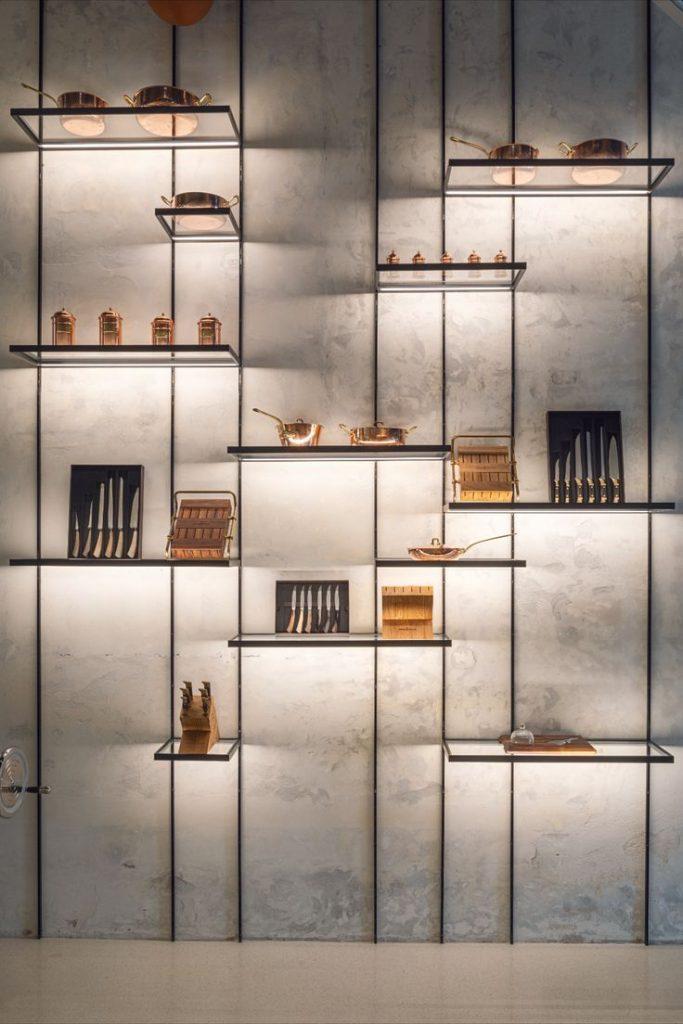
- Textured and Decorative Wall Elements:
- Install wall shelves, decorative panels, or textured wall coverings to add depth and visual intrigue.
- Arrange curated collections of books, ceramics, or other objects to create a personalized display.
Budgeting and cost considerations in interior design

Embarking on an interior design project is an exciting endeavor, but it’s important to have a well-planned budget in place to ensure that your design aspirations align with your financial capabilities. Budgeting and cost considerations play a significant role in the success of any interior design project, helping you prioritize expenses, make informed decisions, and achieve the desired results without overspending. In this comprehensive guide, we will delve into the essential aspects of budgeting and cost considerations in interior design, providing practical tips to maximize value without compromising on style.
Part 1: Setting a Realistic Budget
- Assess Your Financial Situation:
- Determine the amount of money you can allocate to your interior design project by evaluating your overall finances.
- Consider your income, savings, and any additional sources of funding available.
- Prioritize and Allocate Funds:
- Identify your project priorities and allocate funds accordingly.
- Determine which areas are most important to you, such as furniture, lighting, or decor, and allocate a larger portion of your budget to those elements.
- Research and Gather Quotes:
- Research the average costs of materials, furnishings, and professional services to develop a realistic budget.
- Obtain multiple quotes from suppliers, contractors, and designers to compare prices and identify cost-saving opportunities.
Part 2: Cost-Saving Strategies
- Repurpose and Refurbish:
- Consider repurposing and refurbishing existing furniture or decor items to give them a fresh look.
- Explore DIY projects or hire professionals to restore and update pieces, saving money compared to buying new items.
- Opt for Versatile and Timeless Designs:
- Choose furniture and decor pieces with versatile designs that can adapt to different styles and trends over time.
- Invest in timeless pieces that won’t go out of style, reducing the need for frequent replacements.
- Consider DIY Projects:
- Explore do-it-yourself projects for minor renovations, such as painting walls or installing shelves.
- DIY projects can save money on labor costs, but ensure you have the necessary skills and tools for the task.
- Shop Smart and Compare Prices:
- Take advantage of sales, discounts, and promotions when purchasing materials, furniture, or accessories.
- Compare prices across different suppliers and stores to find the best deals without compromising quality.
Part 3: Professional Services and Fees
- Determine the Scope of Professional Involvement:
- Assess whether you require the services of an interior designer, architect, or contractor based on the complexity of your project.
- Consider their expertise, experience, and fees in relation to your budget.
- Obtain Multiple Quotes and Negotiate:
- Request detailed quotes from professionals and compare them to ensure transparency and value for money.
- Negotiate fees and terms to find a mutually beneficial agreement without compromising on the quality of services.
- Phased Approach to Design:
- Break down your project into phases, allowing you to prioritize and complete different aspects of the design over time.
- This approach enables you to manage costs more effectively and allocate funds as needed.
Part 4: Managing Unexpected Expenses
- Contingency Fund:
- Set aside a contingency fund to account for unexpected expenses or unforeseen challenges that may arise during the project.
- Aim for a contingency budget of around 10-15% of the overall project cost.
- Flexibility and Adaptability:
- Be prepared to make adjustments and compromises along the way to accommodate unexpected costs.
- Prioritize your design elements and consider alternatives or cost-effective solutions if necessary.
- Regular Communication:
- Maintain open and transparent communication with suppliers, contractors, and professionals involved in your project.
- Discuss any potential cost overruns or changes in the scope of work to find mutually acceptable solutions
How to work with an interior design professional:
When embarking on an interior design project, partnering with an experienced and talented interior design professional can make a world of difference. Their expertise and creative vision can transform your space into a stunning and functional environment that aligns with your aesthetic preferences and lifestyle needs. However, to ensure a successful collaboration, it is crucial to establish effective communication, set clear goals, and maintain a strong working relationship. In this comprehensive guide, we will explore the essential steps and tips on how to work harmoniously with an interior design professional to bring your design dreams to life.
Define Your Vision and Goals:
Before engaging an interior design professional, it is vital to have a clear vision of what you want to achieve with your space. Consider your desired style, functionality requirements, and any specific design preferences. Compile inspiration images, create a mood board, and articulate your goals in terms of ambiance, layout, color schemes, and desired outcomes.
Research and Select the Right Interior Design Professional:
Take the time to research and select an interior design professional whose style, experience, and expertise align with your project requirements. Look for portfolios, testimonials, and reviews to evaluate their past work and client satisfaction. Schedule consultations to discuss your project, gauge their understanding of your vision, and assess their communication and listening skills.
Establish Effective Communication Channels:
Open and clear communication is the key to a successful collaboration. Establish a preferred communication method with your interior design professional, whether it’s through email, phone calls, or project management software. Set expectations for response times and regular updates to ensure you are both on the same page throughout the project.
- Collaborate on Design Concept and Development:
Working hand in hand with your interior design professional, participate in the design concept and development phase. Share your vision, inspiration, and requirements while being open to their suggestions and expertise. Collaborate on the selection of color schemes, materials, furniture, lighting, and other design elements. Regularly review design proposals and provide feedback to refine and fine-tune the concept.
Establish a Realistic Budget:
Discuss your budget openly and honestly with your interior design professional. Provide them with a clear understanding of your financial constraints and expectations. Together, determine how best to allocate funds to achieve the desired results within the established budget. An experienced professional will help you make informed decisions and recommend cost-effective solutions without compromising on quality.
Project Management and Timelines:
Ensure that a well-defined project management plan is in place to keep the project on track and within the agreed-upon timeline. Your interior design professional should provide a detailed project schedule, outlining key milestones, deadlines, and dependencies. Regularly review progress together and address any potential delays or challenges promptly.
Trust the Process and Professional Expertise:
Trust is an essential component of a successful collaboration. Respect the expertise and professional judgment of your interior design professional. They have the knowledge and experience to navigate design challenges, propose innovative solutions, and bring your vision to life. Be open to their suggestions and recommendations while providing constructive feedback when necessary.
Maintain Flexibility and Adaptability:
Throughout the design process, there may be adjustments and modifications to the initial plan. Remain flexible and adaptable to changes that may arise due to unforeseen circumstances or design refinements. Effective collaboration involves a willingness to embrace new ideas and make decisions based on the evolving needs of the project.
Regular Project Updates and Reviews:
Regular project updates and reviews are vital to stay informed and ensure that the design is progressing according to your expectations. Schedule meetings or walkthroughs at significant project milestones to assess the progress, address any concerns, and make necessary adjustments. Providing feedback and expressing your satisfaction or concerns promptly will help maintain a positive working
Conclusion:
Collaborating with an interior design professional can bring your design dreams to life and elevate your space to new levels of beauty and functionality. Throughout this comprehensive guide, we have explored the essential steps and tips for a successful collaboration with an interior design professional. By following these guidelines, you can establish effective communication, set clear goals, and work harmoniously to create the space you’ve always envisioned.

At Speed Interior Solution, we pride ourselves on our expertise, creativity, and commitment to client satisfaction. Our team of skilled designers is dedicated to transforming spaces with style and functionality, tailored to your unique preferences and needs. From concept development to project management, we strive to deliver exceptional results that exceed your expectations.

To experience the transformative power of interior design, we invite you to order our services and take the first step toward creating your dream space. Whether you’re looking to redesign your home, office, or commercial space, our team is ready to collaborate with you, bringing our expertise and passion to every project.
Don’t hesitate to reach out to us today to discuss your interior design needs and schedule a consultation. We are eager to listen to your ideas, understand your vision, and provide personalized solutions that will breathe new life into your space. With our professional guidance and attention to detail, you can achieve an interior design that reflects your style, enhances functionality, and brings joy to your everyday life.
Transform your space and unlock its full potential. Contact us now at +880 1713033347 to get started on your interior design journey. We look forward to creating a space that inspires and delights you for years to come.
Architectural Interior Farm Bangladesh May 28, 2023
[…] The Ultimate Guide to Interior Design: Transforming Spaces with Style and Functionality […]